We use cookies to make your experience better. By continuing to use our site you agree to the use of cookies Cookie Policy Accept & Continue


How Does Gritting Roads Work? Benefits & FAQs
When winter arrives, icy roads, slippery car parks and frozen footpaths can bring daily operations to a standstill. Behind the scenes, gritters work around the clock to keep vehicles moving and sites safe. Whether you manage a business, public facility or private site, understanding how gritting works is key to managing risk and maintaining access.
This guide breaks down the process of road gritting, when it should be done, and how to plan your winter maintenance effectively.
What Is Road Gritting?
Road gritting is the process of applying salt or brine to roads, pavements and car parks to stop ice from forming. It works by lowering the freezing point of water, helping to keep surfaces safe for both vehicles and pedestrians.
By treating roads before frost or snow arrives, gritting helps prevent accidents and reduces disruption.
What Are the Benefits of Road Gritting?
The advantages of winter gritting go far beyond safety. Without it, ice-related delays and incidents could cost the UK economy billions each year. Key benefits include:
- Preventing slips, trips and vehicle accidents
- Keeping access routes and sites open for business
- Reducing disruption for public services and logistics
- Helping businesses meet their duty of care
- Supporting sustainability goals with eco-friendly materials

What Is a Road Gritter?
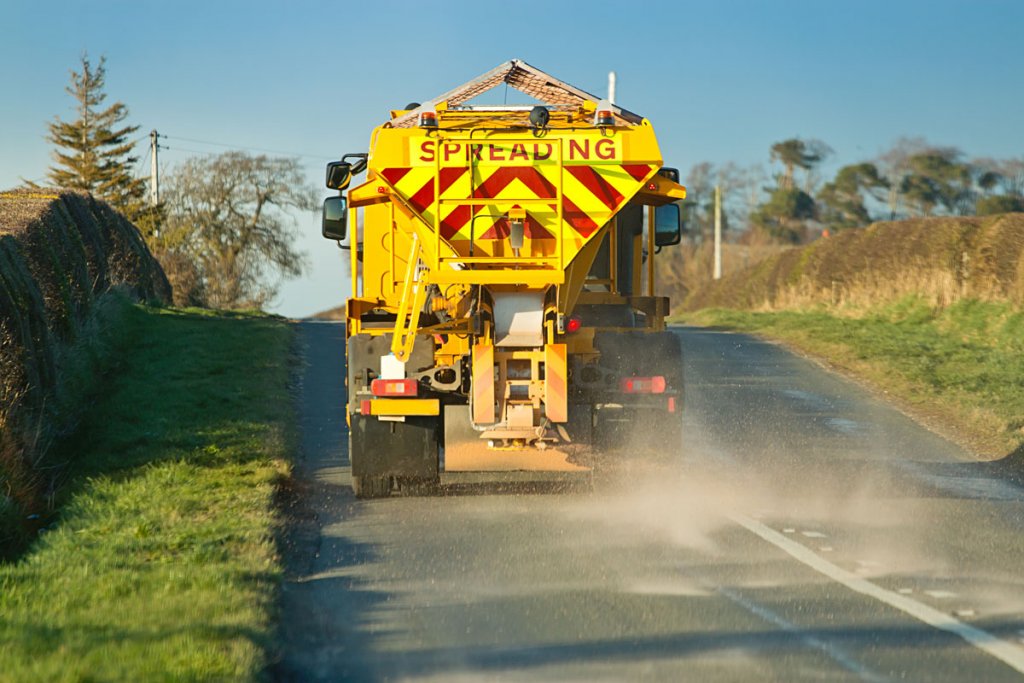
A road gritter is a vehicle designed to spread salt, brine or other de-icing materials across surfaces. These vehicles are equipped with systems that control the flow and distribution of grit, often based on live road surface temperature readings.
Gritters operate on motorways, local roads, commercial sites and private estates depending on the conditions and responsibilities involved.
How Does Gritting Actually Work?
Salt dissolves into moisture on the road and forms a saltwater solution, known as brine. This solution freezes at a lower temperature than water, which helps to prevent the formation of ice.
Some gritters apply liquid brine directly, while others spread dry rock salt mixed with sand or additives to improve effectiveness. Newer options such as beet juice or calcium-based products may also be used in colder climates or environmentally sensitive areas.
When Is the Best Time to Grit?
The ideal time to grit is before temperatures fall below freezing. Gritting is typically carried out in the early evening or overnight, when conditions are expected to deteriorate.
Professional gritting teams rely on road surface temperature (RST) forecasts rather than air temperature. This ensures that treatment is applied before ice has the chance to form.
What’s the Difference Between Road and Air Temperature?
Roads lose heat more quickly than the surrounding air, especially at night. This means the road surface temperature can drop below freezing even when the air temperature stays above zero.
Because of this, gritting is often scheduled based on RST forecasts, not just general weather predictions.
Can You Grit Before It Snows?
Yes. Pre-treatment before snowfall is one of the most effective ways to prevent snow from bonding to the road surface. This makes clearing snow easier and helps prevent compacted ice from forming.
Gritting after snow has already settled is less effective and may require additional snow clearance.
What Materials Do Gritters Use?
Although commonly referred to as “grit,” the materials used in gritting vary. Common options include:
- Rock salt (sodium chloride): The most widely used option to lower freezing points
- Brine: A salt and water solution that adheres well to surfaces
- Beet juice: A more sustainable option that works at lower temperatures
- Sand and anti-caking agents: Improve grip and help spread salt evenly
The choice of material depends on the site type, temperature and environmental goals.

How to Plan Your Winter Gritting Strategy
To prepare your site effectively for winter, consider the following:
- Which areas need to be treated regularly, such as access roads, footpaths or car parks
- Whether you prefer a pay-as-you-go approach or a fixed seasonal contract
- What sustainability or compliance goals your business needs to meet
Partnering with a professional gritting company gives you peace of mind and ensures you’re ready to respond to changing weather conditions.
Why Choose Grounds Care Group?
At Grounds Care Group, we help businesses and local authorities across the UK stay safe and operational through the winter months. Our services include:
- 24/7 gritting and snow clearance
- Real-time reporting and compliance records
- Sustainable material options
- Fast, reliable coverage nationwide
We work across retail, healthcare, education, hospitality and more. Whether you manage one site or hundreds, we tailor our service to your needs.

Frequently Asked Questions
What is road gritting?
It is the application of salt or brine to prevent ice from forming on roads and walkways.
What do gritters spread?
Gritters may use rock salt, brine, beet juice or sand, depending on the temperature and site requirements.
When should roads be gritted?
Before the road surface drops below freezing, typically in the evening or early morning.
Can I grit after snow has fallen?
Yes, but it is more effective to grit before snow settles. Pre-treatment helps prevent bonding and makes clearing easier.
Does road salt work in all conditions?
Standard salt is effective down to around -6°C. Other materials may be used in colder conditions.
Book Your Winter Gritting Plan Today
Grounds Care Group is ready to help you stay ahead of the weather. Whether you need emergency cover or a fully managed contract, we can create a winter plan that protects your site, your staff and your reputation.